
Compare features, benefits, and user experiences before choosing your card.
Venmo, a subsidiary of PayPal, has grown from a simple peer-to-peer payment tool into one of the most recognizable digital finance brands in the U.S. Originally designed to help friends split expenses, Venmo now offers debit and credit cards, merchant payment capabilities, and select financial services. As of 2025, Venmo serves over 80 million U.S. users, securing its position as a leader in mobile and social payments.
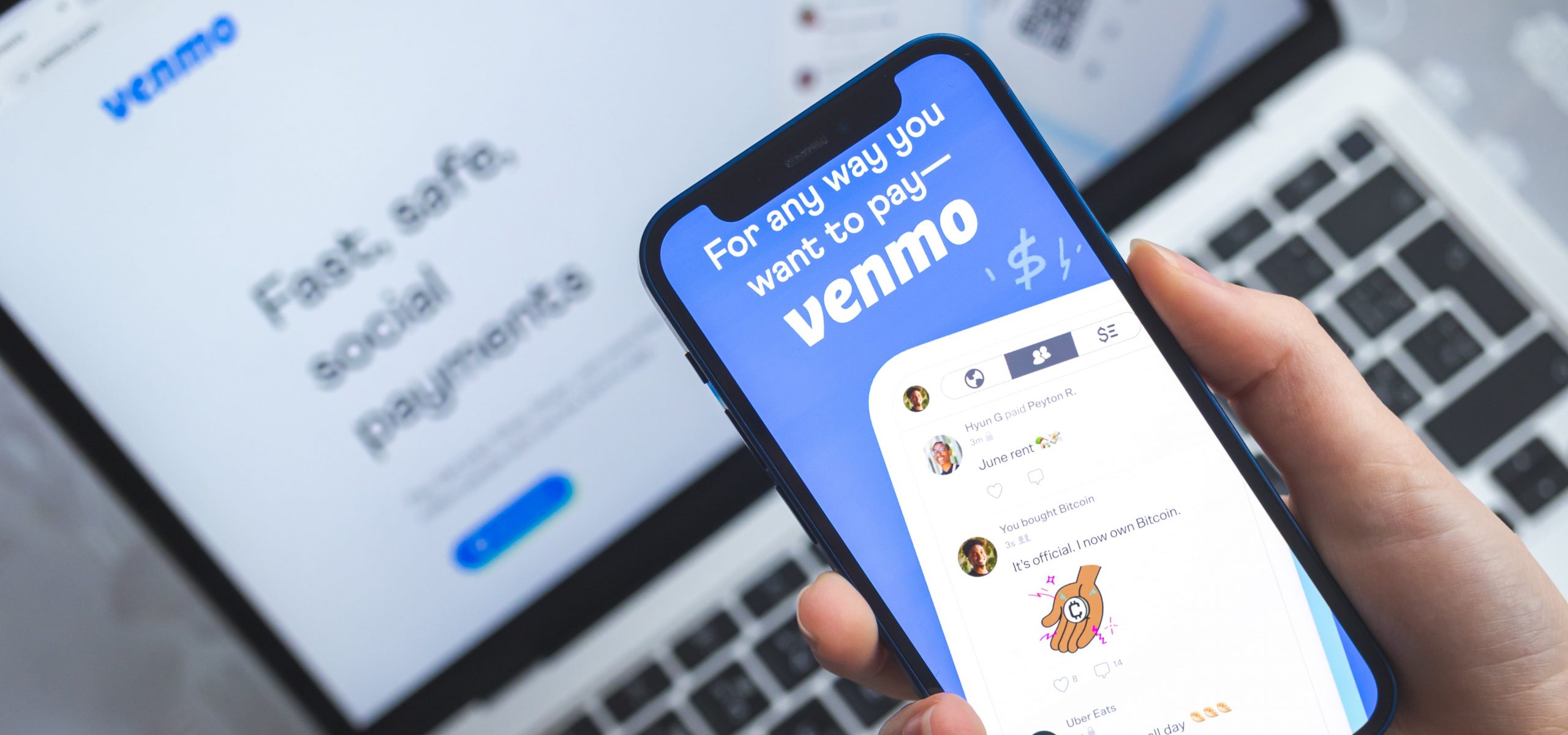
Venmo sets itself apart by blending financial transactions with social interaction. Its activity feed—featuring payment notes, emojis, and friend activity—adds a social layer that appeals to younger users who prefer a casual, chat-like experience over traditional banking interfaces. Over time, the platform has expanded to include a Venmo Debit Card, a reward-driven Credit Card, and tools that allow businesses to accept Venmo payments both online and in person. These additions position Venmo as an evolving financial ecosystem rather than just a P2P app.
This review highlights Venmo’s benefits, drawbacks, pricing, usability, security, and how it compares to competitors such as Cash App, PayPal, and Apple Pay.
Venmo offers free standard bank transfers, but instant transfers cost 1.75% (with a capped fee). Payments funded by a credit card carry a 3% fee, while bank-funded and debit-funded payments remain free. For businesses, Venmo charges 1.9% + $0.10 per transaction—similar to PayPal’s standard merchant rates. These fees are reasonable, but not always the most cost-effective for merchants handling high-volume or high-value transactions.
Venmo offers a range of features beyond simple peer-to-peer payments:
Venmo is designed for simplicity. Its mobile-first layout, intuitive controls, and social interface make sending money quick and familiar. Businesses can add Venmo as a checkout option—particularly through PayPal integrations—but Venmo does not provide extensive APIs for advanced customization. This makes it more suited for small businesses and not for complex merchant infrastructures.
Under PayPal’s ownership, Venmo benefits from strong security frameworks, including encryption, regulatory compliance, and fraud monitoring. Users can enable two-factor authentication for additional protection. However, the social feed can unintentionally expose personal details if visibility settings are not properly managed.
Venmo is currently available only in the United States, making it unsuitable for global commerce. Unlike PayPal, Payoneer, or Wise, Venmo does not support international payments or multi-currency transactions. This limited footprint is fine for domestic users but restricts growth for international merchants.
Venmo offers customer support through email, in-app chat, and a detailed help center. Phone support is limited, and response times may vary depending on demand. While the resources are adequate for consumer-level issues, business users may require more robust support than Venmo currently provides.
Compared to Cash App, Venmo excels in social engagement but falls short in investment and banking features. Against PayPal, Venmo is more casual and user-friendly but lacks international functionality. Apple Pay and Google Pay offer wider retail and in-store adoption, though Venmo narrows the gap with its debit and credit card offerings.
Venmo has matured from a simple P2P app into a versatile financial tool with business capabilities, debit and credit cards, and instant transfers. Although limited geographically and requiring attention to privacy settings, it remains an excellent choice for U.S. consumers, freelancers, and small merchants who appreciate its social feel and convenience. Businesses needing global reach or advanced merchant tools may find better options elsewhere.